
Imagine a world where the search for talented individuals feels less like looking for a needle in a haystack and more like orchestrating a refined symphony—where each recruitment note rings true, every retention chord resonates with meaning, and every employee thrives in harmony with dynamic business needs. Welcome to the era of Artificial Intelligence in Human Resources, where the familiar frustrations of hiring and retaining great people transform into opportunities for strategic brilliance.
Why does this matter? Because talent isn’t just an HR problem—it is a business mission. Every leader understands that winning in today’s market depends on assembling the right minds and keeping them inspired. AI is your newest—and arguably most powerful—instrument in this pursuit. It amplifies human judgment, injects objectivity, and streamlines complexity. If the idea of working smarter—not just harder—appeals to you, read on as we decode how AI elevates HR from recruitment through every milestone of retention.
Intelligent Resume Sorting: Precision at Scale
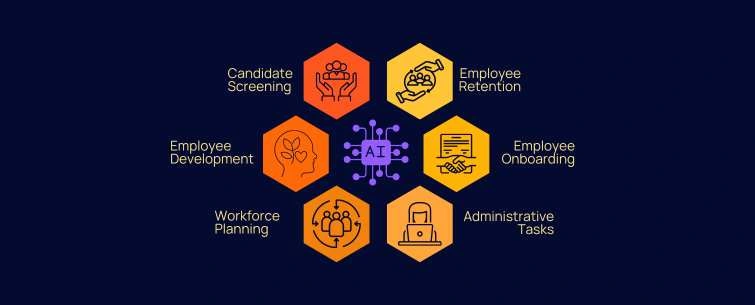
One of the most remarkable ways AI transforms recruitment lies in how it interprets and sorts resumes to match given job requirements with unmatched precision. Advanced AI-driven systems review resumes not just for surface keywords, but for the deeper connections between skills, experience, and the role’s needs.
These tools deploy natural language processing and machine learning, allowing each resume to be weighed and ranked against a specific role’s criteria—such as essential skills, years of experience, certifications, and even soft skills implied by project histories. The system assigns a relevancy or fit score to every applicant, and this scoring process is customizable, reflecting both mandatory requirements and preferred qualifications set by the hiring team.

By automating the sorting and ranking of resumes, AI accelerates the screening stage. Instead of hours spent manually sifting through applications, recruitment professionals can focus immediately on top-matching candidates. This objectivity not only saves time but also ensures consistency and reduces unconscious bias, leading to smarter, fairer hiring decisions. The sheer scalability of this approach means organizations of any size can maintain high standards, even in high-volume hiring environments.
This AI-powered sorting is the gateway to a recruitment process anchored in clarity, speed, and confidence—transforming candidate selection from guesswork to guided strategy, and setting the stage for deeper hiring excellence.
Precision in Candidate Discovery
Traditional recruiting often involves an avalanche of resumes and a tide of applications, overwhelming even the most capable teams. AI lifts this burden with effortless grace. Modern AI-powered systems can scan, evaluate, and cluster vast pools of candidates based on nuanced criteria—skills, experience, potential, and alignment with organizational values. These systems don’t merely look for keywords; they discern meaningful patterns, uncovering strengths that might otherwise remain unseen.
Reducing Bias and Enhancing Fairness
Objectivity is the cornerstone of fair hiring. AI facilitates data-driven insights in screening—evaluating each candidate by standardized metrics and reducing the shadows cast by unconscious bias. By focusing on tangible attributes rather than subjective sentiments, AI ensures every applicant stands on a level playing field.
Crafting Engaging Job Descriptions
First impressions count, and job descriptions set the initial tone. AI can suggest wording that not only attracts broader talent pools but also reflects organizational ethos and inclusivity. Imagine job posts that speak directly to the aspirations and identities of diverse prospects, opening the door to a wider array of capable individuals.
Enriching Candidate Experience
The path from application to offer letter should feel inviting and informative. AI-driven chatbots elevate this journey—responding to inquiries, offering guidance, and scheduling interviews in real time, regardless of hour or timezone. The experience is seamless: candidates feel seen, heard, and respected throughout the process.
Intelligent Talent Matching
Advanced AI engines harness machine learning to intelligently match candidate profiles to role requirements. This isn’t guesswork—it draws on patterns found in role success, department needs, and business priorities. The result? Fewer mismatches, faster placement, and the confidence of knowing each hire truly fits.
Onboarding: Seamless Beginnings
A new hire’s journey doesn’t—or shouldn’t—begin with paperwork. AI transforms onboarding into a tailored welcome experience, guiding each individual through learning modules, compliance milestones, and cultural immersion. AI monitors progress and offers nudges when someone lingers too long on a lesson or appears disengaged, ensuring everyone finds their footing quickly and comfortably.
By analyzing new employees’ learning preferences and early feedback, AI helps HR teams identify what motivates and inspires each person—setting the stage for greater productivity and job satisfaction from day one.
Beyond Recruitment: The Art of Retention
Hiring employees is only the start. The real test of an organization’s vitality lies in its ability to retain and nurture talent. Here, AI is not just a supporter, but a silent strategist—constantly analyzing, predicting, and recommending subtle shifts to keep your brightest minds engaged and fulfilled.
Predictive Analytics: Foreseeing Turnover
Employee attrition can be costly and destabilizing. AI harnesses data from across the organization—performance metrics, engagement surveys, absenteeism patterns, and more—to forecast where risks might emerge. Subtle changes in sentiment or productivity are flagged early, converting potential losses into actionable priorities before they become departures.
Personalized Growth Paths
People crave growth. Generic training can feel impersonal, leading to stagnation. AI analyzes each employee’s skills, aspirations, and achievements, recommending tailored learning paths and new challenges, from targeted certifications to lateral moves. This personal touch shows employees that leadership values their ambitions, increasing motivation and loyalty.
Enhancing Engagement
Continuous feedback is the fuel of engagement. AI-powered platforms replace infrequent, one-way reviews with a steady cadence of feedback and dialogue. These systems interpret tone, do sentiment analysis, and surface relevant topics, making managers more attuned to team dynamics. In turn, AI sparks more honest conversations, facilitating a culture where issues are addressed promptly and success is celebrated together.
Skill Gap Analysis and Internal Mobility
No organization stands still—new skills are always needed. AI assesses the evolving demands of each function and identifies potential gaps in your talent pool. It then suggests employees poised for upskilling or internal moves, promoting workforce agility and strengthening succession plans without the time or cost of external hiring.

Fostering Well-Being and Belonging
Employee wellness is not a luxury. AI can quietly monitor work patterns, stress signals, and even engagement with wellness resources, prompting HR to step in when a gentle touch or supportive message is needed. This proactive approach fosters a culture of care and belonging, essential to high morale and retention.
The Strategic Edge: Why AI Is Essential Now
In the flow of business, talent shortages and retention woes are persistent headwinds. AI addresses these challenges not with brute force, but with quiet intelligence—transforming HR from a reactive function into a proactive engine for strategic growth.
Benefits abound:
- Efficiency: Tasks that once consumed hours—candidate screening, scheduling, survey analysis—now run in the background, freeing HR teams to focus on strategy and human connection.
- Accuracy: Objective insights and predictive analytics minimize errors, improving the quality of each hiring and retention decision.
- Consistency: Automated processes ensure that every candidate, from first contact to seasoned veteran, enjoys the same thoughtful experience.
- Agility: Data-driven recommendations enable organizations to identify, address, and adapt to change faster than ever before.
Guiding HR Into the Future with AI
Bringing AI into HR is not a one-time project, but a refined journey marked by intention and respect for the people it serves.
Steps to Consider:
- Start with clear objectives: Define success—whether it’s faster hiring, reduced turnover, or deeper engagement.
- Invest thoughtfully: Choose AI tools that align with organizational values and integrate seamlessly into your existing HR processes.
- Prioritize privacy and transparency: Communicate clearly with your team about how AI is used, what data it relies on, and how it enhances—not replaces—human decision-making.
- Commit to continuous learning: AI evolves quickly; ensure your HR team receives ongoing training and that systems adapt to your culture’s unique needs.
The Path Forward: AI as a Catalyst for HR Excellence
The journey from recruitment to retention shapes your company’s destiny. With an AI agency as your partner, that journey becomes not just more efficient, but more elegant infused with intelligence, care, and a deep commitment to your people. Talent becomes less about chance and more about strategic alignment. Engagement becomes a tapestry woven with data, dialogue, and trust. And HR transforms from an operational pillar to a wellspring of business growth.
Now is the time to let AI unlock the full potential of your workforce. Embrace these tools thoughtfully, lead with intention, and watch as your organization attracts, develops, and retains the people who inspire its future.
Transform your HR operations with a personalized AI consultation.